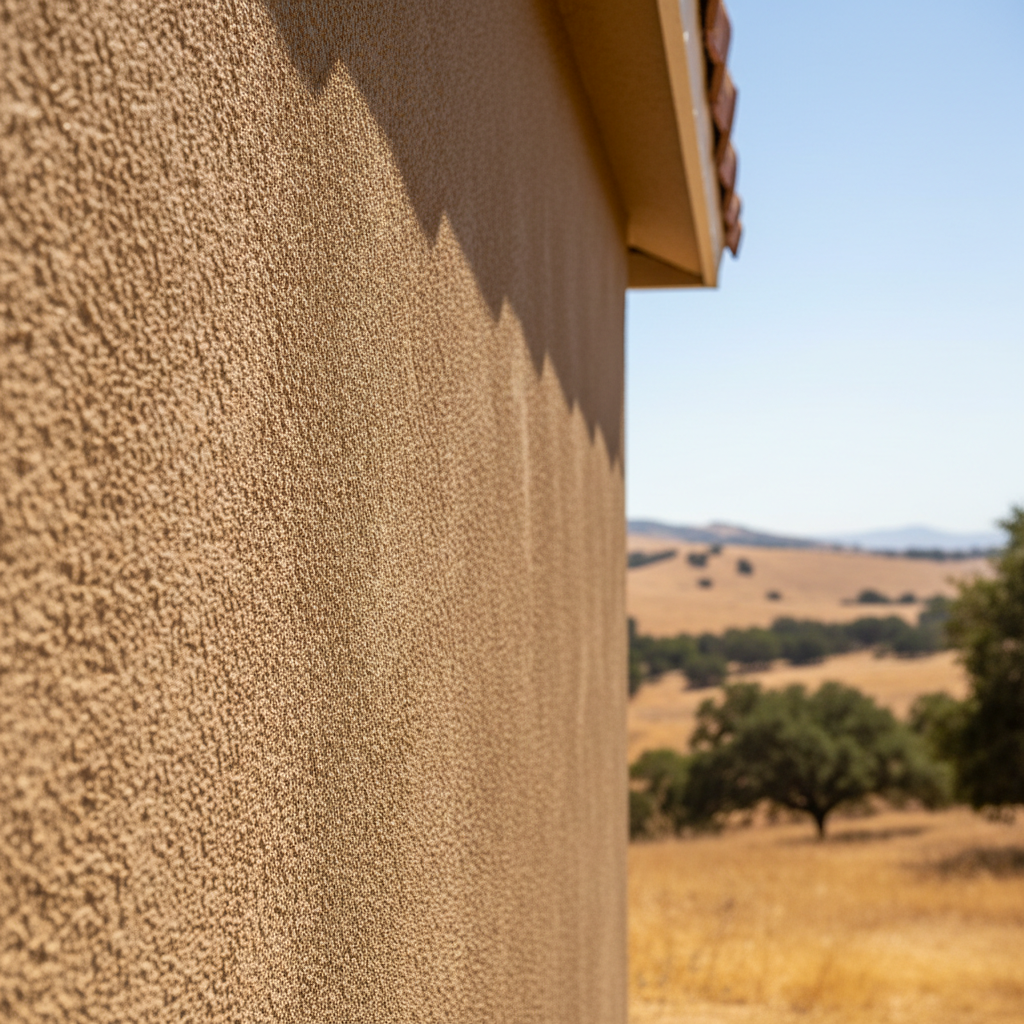
So, your stucco's seen better days, huh? Maybe it's got widespread cracking, water damage, or it's just plain outdated. Whatever the reason, if you're looking at a full stucco replacement on your Madera home, you've got some decisions to make. It's a big project, and you're probably wondering what you can actually do yourself to save some cash versus what absolutely needs a pro. Let's break it down.
Before You Start: Planning and Prep
First things first, you need to figure out the scope. Are we talking about just one wall, or the whole house? A full replacement means taking off the old stucco right down to the sheathing or framing, checking out what's underneath, and then putting on a brand-new system. This isn't a small patch job; it's a significant undertaking, believe me.
DIY Prep:
- Clear the Area: You can totally handle moving plants, patio furniture, grills, and anything else away from your foundation. Give the crew plenty of room to work.
- Protect Your Property: Cover shrubs, windows (if they're not being replaced), and anything else you want to shield from dust and debris. Heavy-duty tarps and plastic sheeting work wonders here.
- Document Everything: Take photos of your existing stucco, especially any problem areas. This helps with planning and can even be useful for insurance if there's underlying damage.
- Understand the 'Why': Why are you replacing it? If water was getting in, you absolutely need to fix the root cause before any new stucco goes on. This might mean roof repairs, flashing upgrades, or even sorting out irrigation issues.
When to Call a Pro (Early On):
- Permits: In Madera, any big exterior change like a full stucco replacement will probably need a building permit. A good contractor knows the local codes and handles this for you. Don't skip this step; you'll regret it later, trust me.
- Structural Concerns: If you think water damage has hurt your wall sheathing or framing, you need a professional to assess it. This isn't a DIY fix.
- Choosing the System: There are different kinds of stucco systems out there (traditional three-coat, one-coat, EIFS). A pro can explain the pros and cons for your specific home and our Madera climate. It can get pretty hot and dry around here, but we also have those occasional heavy winter rains that really test a building envelope.
During the Project: Demolition and Application
This is where the real work happens. Old stucco comes off, and new stucco goes on. It's messy, dusty, and requires specific skills.
DIY During Demolition:
- Debris Removal: If you're physically capable and have access to a dumpster or a way to haul away debris, you could potentially handle some of the old stucco removal. Be warned, it's heavy and dusty. You'll need safety glasses, gloves, and a good respirator.
- Basic Cleanup: Keeping the work area tidy each day can help the pros focus on the technical stuff.
When to Call a Pro (Almost Always for Application):
- Demolition Expertise: Sure, you can remove debris, but knowing how to safely and efficiently remove stucco without damaging underlying structures or utilities is a skill.
- Sheathing Inspection & Repair: Once the old stucco is off, the pros will inspect the sheathing, framing, and flashing. If there's rot or damage, they're equipped to repair or replace it correctly before the new stucco goes on. This is critical for preventing future problems.
- Water Resistive Barrier (WRB): This is your home's main defense against water. Installing it correctly, with proper overlaps and flashing around openings, is an art and a science. Mess this up, and you're asking for trouble.
- Lath Installation: Whether it's metal lath or fiberglass mesh, it needs to be attached properly, securely, and uniformly to provide the right base for the stucco.
- Stucco Application: This is the big one. Applying stucco isn't just slapping mud on a wall. It involves precise mixing, consistent application of multiple coats (scratch, brown, finish), and achieving a uniform finish texture. It's physically demanding and requires years of practice to get right. Trying to DIY this often leads to uneven textures, cracking, and a finish that just doesn't look professional. Trust me, I've seen the attempts.
- Scaffolding/Safety: Working at heights requires proper scaffolding and safety protocols. Professionals have the equipment and training to do this safely.
After the Project: Curing and Maintenance
The job isn't over when the last coat is applied. Proper curing and ongoing maintenance are key to longevity.
DIY Aftercare:
- Curing: Your contractor will advise you on how to keep the stucco moist during the initial curing phase, especially in Madera's dry heat. This might involve light misting. Follow their instructions carefully; improper curing can lead to cracking.
- Regular Cleaning: Once cured, you can clean your stucco with a soft brush and mild detergent, or a low-pressure wash.
- Visual Inspections: Periodically walk around your house and look for any signs of trouble – hairline cracks, discoloration, or areas where water might be pooling. Catching small issues early can prevent big problems.
When to Call a Pro (Again):
- Persistent Cracks: While some hairline cracks are normal, if you see widespread or expanding cracks, it's worth having a professional from Skyline Stucco Madera take a look. It could indicate a structural issue or a problem with the stucco system itself.
- Water Intrusion: If you notice any signs of water getting behind the stucco (like damp spots on interior walls), call a pro immediately. This needs urgent attention.
- Repairs: For any significant repairs beyond a tiny cosmetic crack, it's best to have a professional match the existing texture and color.
A full stucco replacement is a major home improvement. While you can certainly save some money by handling the cleanup, protection, and basic prep work, the actual demolition (beyond basic debris removal) and especially the application of the new stucco system are jobs best left to experienced professionals. You're investing in your home's protection and appearance for decades, so getting it right the first time is worth it. Don't hesitate to reach out to Skyline Stucco Madera if you have questions or need an estimate.