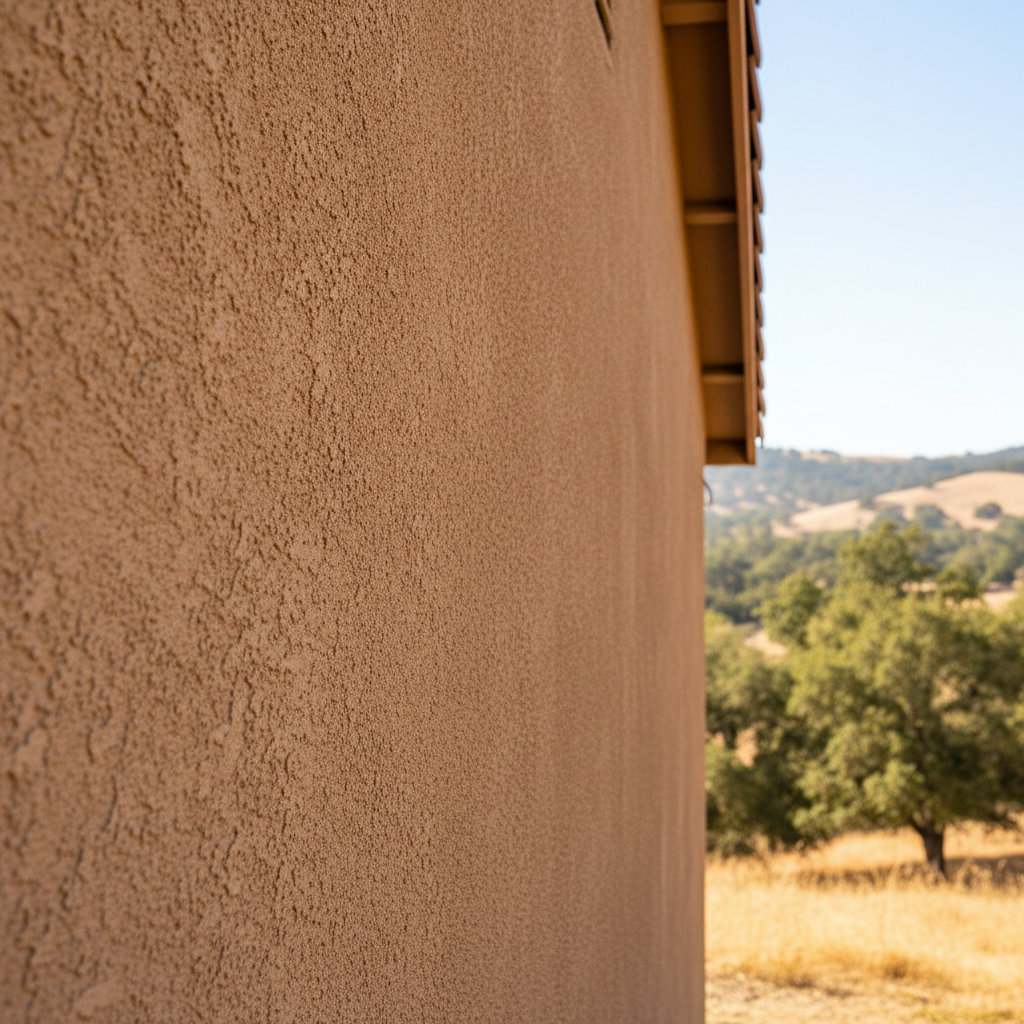
So, you're looking at your stucco home and thinking it's time for a fresh coat of paint, huh? Good idea. A new paint job can really make a difference, not just in how your house looks, but also in protecting your investment. I get a lot of questions about painting stucco, especially here in Madera where we see everything from scorching summers to those occasional heavy winter rains. Let's tackle some of the most common ones I hear.
Do I really need to paint my stucco, or can I just clean it?
That's a fair question. Sometimes, a good, thorough cleaning is all you need. If your stucco is just dirty, has some mildew, or light staining, pressure washing with a mild cleaner can work wonders. But if you're seeing fading, chalking (where a powdery residue comes off when you touch it), or if the existing paint is peeling or cracking, then cleaning alone won't cut it. You're looking at painting. Cleaning is a temporary fix for surface grime; painting is about renewing and protecting the finish.
What kind of paint is best for stucco?
This is crucial. You can't just slap any old paint on stucco. You need something that's breathable, flexible, and designed for masonry. Here's what I recommend:
- Elastomeric Paint: This is often my top pick, especially for older stucco or if you have minor hairline cracks. It's super flexible, so it can bridge small cracks and move with the stucco as temperatures change. It's also very water-resistant, which is a big plus. It's usually thicker and costs a bit more, but it's worth it for the protection and longevity.
- Acrylic Latex Paint: A good quality 100% acrylic latex exterior paint works well too. Look for one specifically formulated for masonry or stucco. These are breathable, durable, and offer good adhesion. They're generally more affordable than elastomeric paints but might not offer the same crack-bridging capabilities.
- Silicone-based Paints: These are gaining popularity. They're highly breathable, water-repellent, and resist dirt pickup. They're a good option, but sometimes harder to find and can be pricier.
Whatever you do, avoid oil-based paints. They don't breathe, and they'll trap moisture, leading to peeling and other headaches down the road.
How long does stucco paint last in Madera's climate?
Our climate here in Madera is tough on exterior finishes. Those long, hot summers with intense UV exposure, followed by cooler, sometimes wet winters, really test paint. Generally, a good quality paint job on stucco, using the right materials and proper prep, should last anywhere from 10 to 20 years. Elastomeric paints tend to be on the higher end of that range. Factors like the quality of the paint, how well the surface was prepped, and even the color you choose (darker colors absorb more heat) can affect longevity. If your home is in a sun-exposed area, like those newer developments out near Highway 99, you might see the effects of UV sooner.
What's involved in preparing stucco for painting?
Prep work is probably the most important part of any paint job, and it's especially true for stucco. Skimping here guarantees a poor finish and a short lifespan for your paint. Here's what we typically do:
- Cleaning: First, a thorough pressure wash to remove dirt, mildew, loose paint, and chalk. We let it dry completely.
- Repairing Cracks and Damage: Any cracks, holes, or spalling (flaking) need to be repaired. We use an appropriate stucco patch compound. Minor hairline cracks might be bridged by elastomeric paint, but anything bigger needs filling.
- Priming: This is often skipped by less experienced painters, but it's vital. A good quality acrylic masonry primer helps with adhesion, provides a uniform surface for the topcoat, and can seal porous stucco. It's especially important if you're changing colors dramatically or if the stucco is unpainted.
- Masking and Protecting: Taping off windows, doors, trim, and covering plants and landscaping is standard. You don't want paint where it doesn't belong.
Can I paint stucco myself, or should I hire a professional?
Look, I'm a contractor, so you know what I'm going to say, right? But honestly, painting stucco is a big job. It's not like painting an interior wall. The surface is textured, it's often a large area, and the prep work is demanding. If you've got a small area, good equipment, and you're comfortable with heights, maybe. But for most homeowners, especially for an entire house, hiring a professional is the way to go. We have the right tools (like commercial-grade sprayers), the experience with different stucco types, and we know how to handle the prep and application to ensure a long-lasting finish. Plus, we're insured, which is a big deal if something goes wrong.
How much does it cost to paint stucco?
This is the million-dollar question, and there's no single answer. It depends on several factors:
- Size of your home: Bigger houses obviously cost more.
- Condition of the stucco: If there are a lot of repairs needed, that adds to the cost.
- Type of paint: Elastomeric paints are more expensive than standard acrylics.
- Number of coats: Usually, two topcoats are recommended over a primer.
- Accessibility: If we need special scaffolding or lifts for high areas, that impacts the price.
- Color change: Going from a dark color to a light one might require an extra coat.
Generally, you can expect to pay anywhere from $2.50 to $6.00 per square foot of wall surface, sometimes more for very complex jobs or premium materials. The best way to get an accurate estimate is to have a reputable company, like us at Skyline Stucco Madera, come out and give you a free, no-obligation quote. We'll look at your specific situation and give you a clear breakdown.
Will painting stucco hide existing cracks?
It depends on the size of the cracks and the type of paint. As I mentioned, elastomeric paint is designed to bridge hairline cracks (up to about 1/16th of an inch). It's flexible enough to stretch over them. However, if you have larger cracks, or structural cracks, paint alone won't hide them permanently. Those need to be properly patched and repaired before painting. Painting over significant cracks without repairing them first is a waste of time and money; they'll just reappear through the new paint.
Hopefully, this clears up some of your questions about painting stucco. It's a solid investment when done right, and it protects your home for years to come. If you're in Madera and thinking about a fresh look for your stucco, give us a call. We're happy to talk through your project.