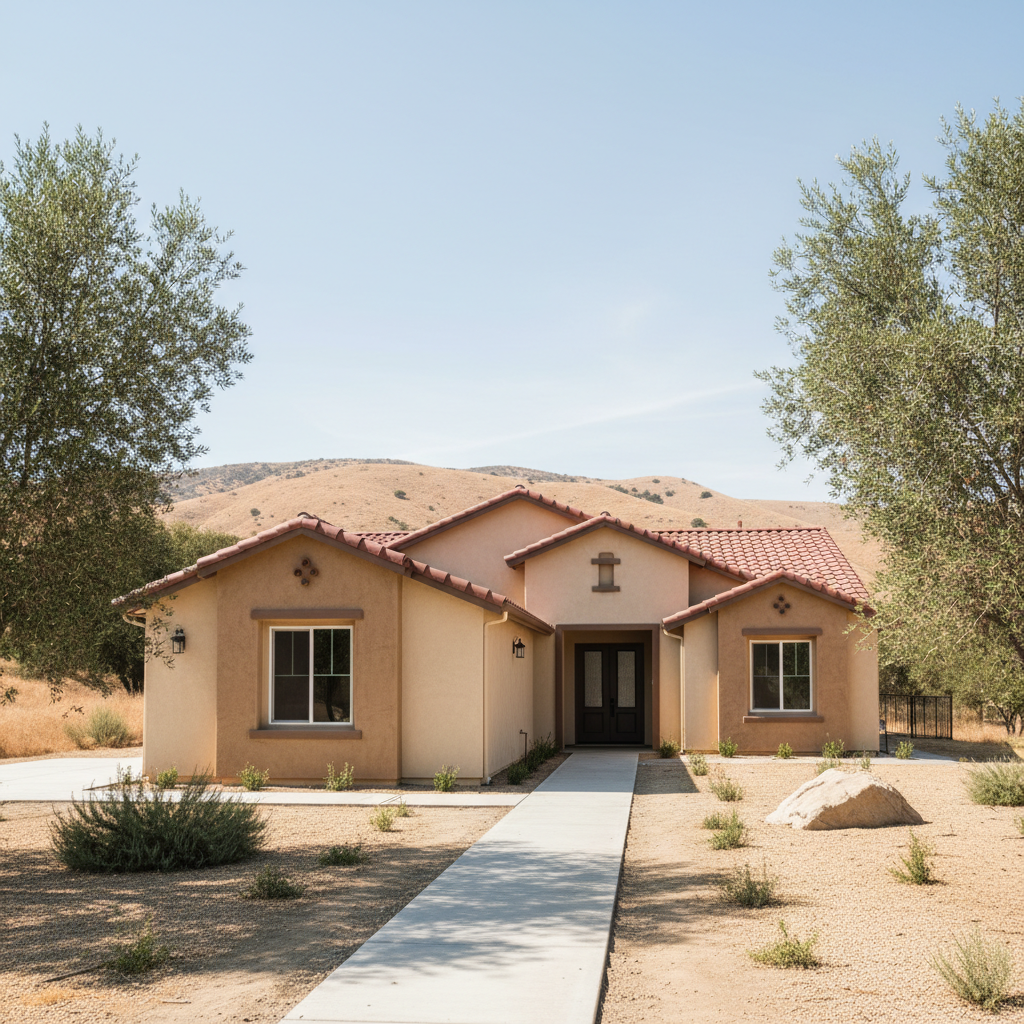
Alright, let's talk stucco here in Madera. You're probably looking to give your home a facelift, maybe even boost its curb appeal, and stucco's on your mind. That's a smart choice. But here's the thing: our Central Valley weather isn't just background noise; it plays a huge role in how well your stucco project turns out and how long it actually lasts. As a local contractor with Skyline Stucco Madera, I've really seen it all, and getting the timing right is absolutely crucial for a quality stucco finish that can stand up to our unique climate.
When Should You Schedule Your Stucco Installation?
You might think any old time works, but for stucco, that's just not the case. Stucco is a cement-based material, and it needs very specific conditions to cure correctly. That means temperature and moisture are the big players.
- The Sweet Spot: Spring and Fall. If you can manage it, aim for early spring or late fall. Why? Temperatures are usually pretty mild then, hanging out between 50°F and 85°F. This range is perfect because it lets the stucco dry and cure nice and evenly. Plus, you generally get less rain and lower humidity compared to winter, and it's certainly not blazing hot like our summers.
- Summer: Be Careful. Our Madera summers are no joke, are they? Daily high temperatures often hit the high 90s and can easily blast past 100°F. When it's that hot, stucco can dry way too fast. This quick drying can lead to cracks and a weaker finish overall. If you absolutely have to get an installation done in summer, we'll take extra steps, like misting the stucco to control how fast it dries and working during the cooler parts of the day. But honestly, it's not ideal.
- Winter: A Bit Tricky. Winter in Madera brings cooler temperatures, with daily lows often dipping into the 30s and 40s. While stucco can be put on when it's above 40°F, freezing temperatures are a huge no-no. If the water in the stucco mix freezes before it cures, you're looking at cracks and structural damage. We also get our fair share of rain in winter, and stucco and heavy rain just don't mix during application.
Weather Conditions That Really Affect the Work
It's not just the season; the daily conditions truly matter. Here's what we're always keeping an eye on:
- Temperature: Like I said, 50-85°F is perfect. Too hot, and it dries too fast. Too cold, and it won't cure right, or worse, it could freeze.
- Humidity: Madera usually has low humidity, especially in summer. While low humidity helps things cure faster, extremely low humidity can also make stucco dry out too quickly and crack. We need that just-right spot where there's enough moisture for good adhesion.
- Rain: You simply can't apply stucco in the rain. Period. It washes away the material and messes up the curing process. We always watch the forecast really closely.
- Wind: Strong winds can also speed up drying, much like high temperatures, and they can blow debris into fresh stucco. Our afternoon breezes can definitely be a factor, especially for homes that are more exposed, like those out towards Highway 145.
Protecting Your Stucco Investment All Year Long
Once your stucco is up, your job isn't quite finished. Our Madera climate, with its wild swings, means you really need to protect that investment.
- Summer Heat Protection: The intense UV radiation from our long, hot summers can make stucco fade and develop tiny hairline cracks over time. Keep an eye out for those. A good quality paint or elastomeric coating can add an extra layer of UV protection and help seal up minor imperfections.
- Winter Moisture Management: Even though we're dry most of the year, our winter rains can be pretty heavy. Moisture is stucco's biggest enemy if it manages to get behind the finish. Make sure your gutters are clean and draining like they should, and check around windows and doors for any caulk or flashing that's failing. Water intrusion can be a real headache, especially with our expansive clay soils that can shift and stress foundations.
- Regular Inspections: I tell all my clients to walk around their home at least twice a year. Look for any cracks, discoloration, or soft spots. Catching small issues early on can save you a ton of money and a lot of grief down the road.
- Cleaning: Stucco can get dusty out here, can't it? A gentle wash with a hose and a soft brush once a year can keep it looking fresh. Just avoid those high-pressure washers; they can actually damage the surface.
Ultimately, getting your stucco installed right the first time, with the proper timing and attention to our local Madera climate, is absolutely key. And then, a little year-round care really does go a long way. If you've got questions or need a hand, don't hesitate to give Skyline Stucco Madera a call. We're here to help you keep your home looking good and well-protected.