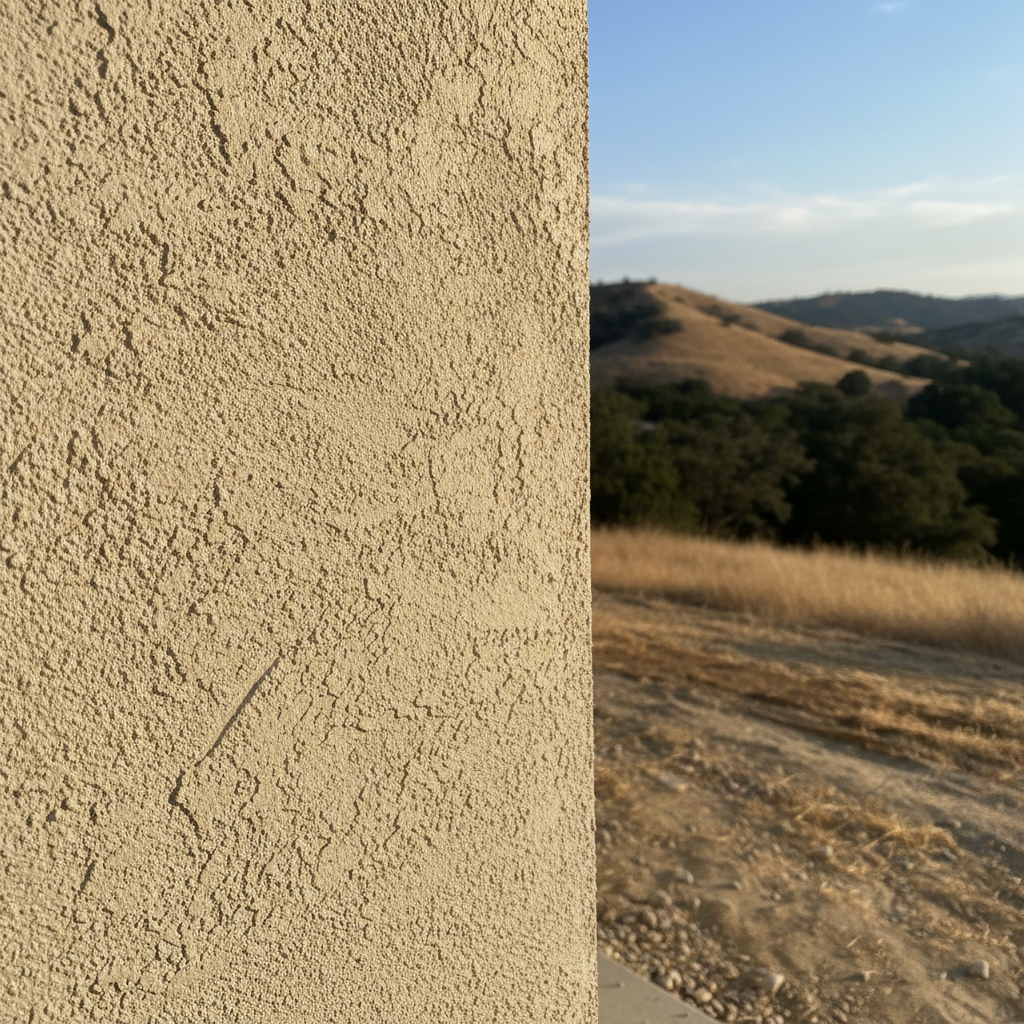
Walking around your house and noticing something off with the exterior walls is common. Spotting small changes early can save you thousands of dollars down the road. Living right here in Madera, CA means dealing with baking summer heat and shifting clay-rich soils that put constant stress on home exteriors. Skyline Stucco Madera breaks down how you can keep an eye on your stucco before minor issues turn into major structural headaches.
What You Can Handle Yourself
You do not need a contractor license to do a basic visual walkthrough of your property. Grab a cup of coffee and take a slow stroll around your foundation twice a year. Look closely at the surface. Hairline cracks that are no wider than a credit card happen naturally as houses settle, especially in our local climate. You can easily track these by taking a photo with a coin next to them for scale.
Check areas where sprinklers hit the wall regularly. Hard water stains or efflorescence, which is that white powdery substance, mean moisture is moving through the plaster. You can gently wash away surface dirt, but keep track of where it keeps coming back. Also, make sure bushes and tree branches are trimmed at least a foot away from the walls so air can circulate and moisture does not trap against the finish.
When It Is Time to Call the Pros
Not everything can be fixed with a do-it-yourself weekend patch kit. If you spot stair-step cracks near windows and doors, or cracks wider than 1/8 inch, stop right there. That usually points to framing movement or deeper issues behind the scratch coat. Hollow spots are another red flag. If you tap on the wall and hear a hollow echo instead of a solid thud, the stucco has delaminated from the lath behind it.
Skyline Stucco Madera often gets calls after homeowners try to patch deep cracks themselves only to trap moisture inside. If you see bulging, soft areas, or stains that smell musty indoors, you need professional diagnostic tools like thermal imaging or moisture meters. Water intrusion in our area does not dry out easily once it gets behind the barrier.
Getting Ready for an Inspection or Repair
Before you bring someone out to look at your walls, clear away patio furniture, potted plants, and garden hoses from the perimeter. Make sure our team can actually see the weep screed near the bottom of the wall, and confirm it is not buried under mulch or flowerbeds. Being prepared helps your contractor get an accurate read on your exterior condition right away.
Keep an eye on your walls and trust your gut. If a crack looks like it is growing or your paint is bubbling up from the inside out, do not wait for rainy season to deal with it. Catching things early keeps your home solid and your repair bills manageable.