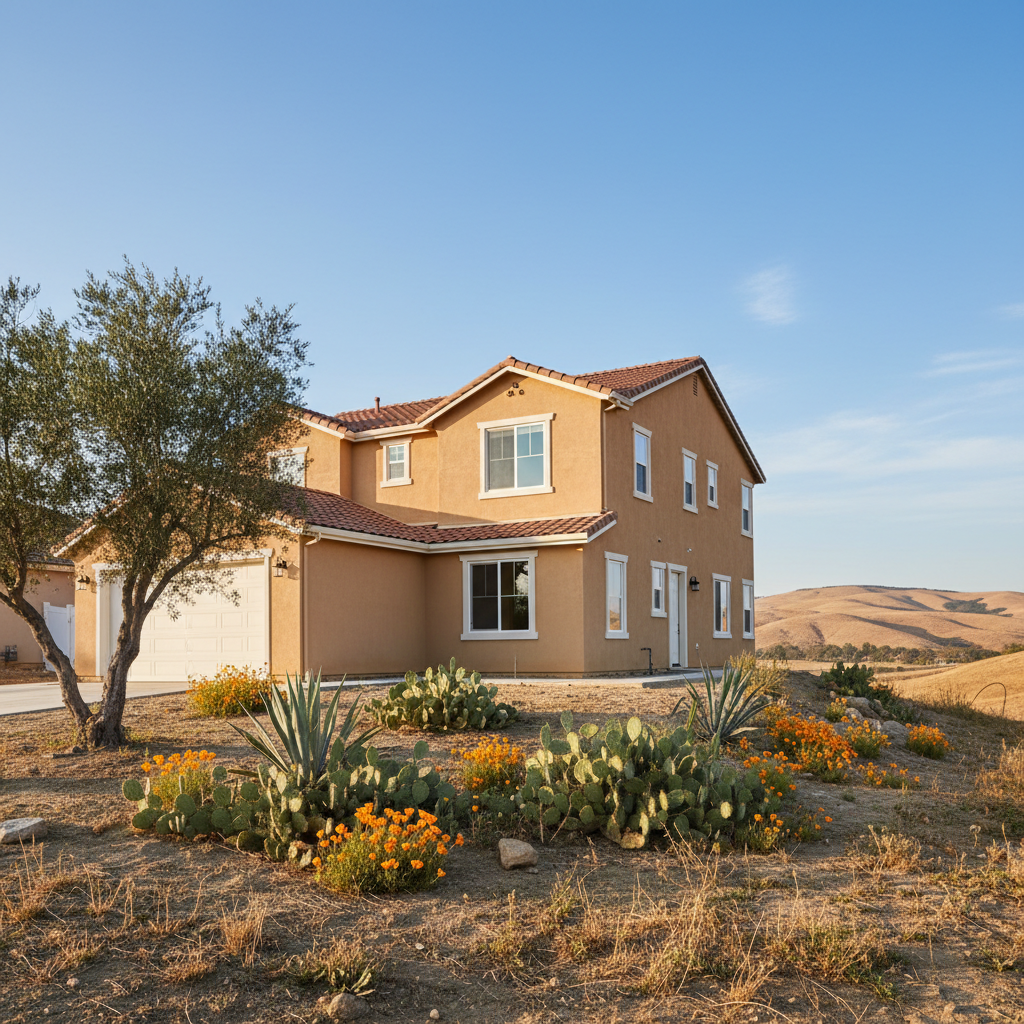
When the thermometer climbs past a hundred degrees in the middle of July, that kind of heat takes a direct toll on exterior walls. Here in Madera, CA, our weather is very extreme. We deal with blazing, dry summers out in the valley and sudden drops in temperature when winter finally rolls around. That kind of thermal stress takes a real toll on exterior finishes if they are not cared for properly.
Skyline Stucco Madera spends a lot of time out on jobs checking on how local homes are holding up against the elements. If you want your walls to last, you have to match your maintenance and project scheduling to our local climate patterns.
Timing Your Stucco Projects Around Madera Weather
You cannot just apply fresh plaster on a wall at any time of the year and expect it to hold. If you are planning a new Stucco Installation or patching up some Stucco Damage, timing is very important.
Summer heat is our biggest hurdle. When the sun is baking the dry soils around Madera, wet stucco dries far too fast. That rapid evaporation robs the cement of the moisture it needs to cure properly, leading to weak spots and heavy Stucco Cracking. Skyline Stucco Madera usually advises homeowners to avoid major exterior plastering during the peak heat of July and August unless we can strictly control shade and moisture.
Spring and fall are typically the sweet spots for scheduling Stucco Repair work. The temperatures are moderate, and the air holds enough moisture to let the Scratch Coat and Brown Coat cure out evenly. Winter can work too, but you have to watch out for freezing night temperatures and rainy days that trap moisture behind fresh material.
Year-Round Protection Strategies
Keeping your home safe does not require a complicated routine, but it does take consistency. Take a walk around your property after a heavy windstorm or when the seasons shift. Look closely at the areas near your roofline and around windows where Expansion Joints meet.
Hairline cracks happen because our local soil and intense sunlight cause houses to shift and expand. Sealing those tiny gaps early keeps winter rains from getting behind the Finish Coat. Once water finds its way into the Lath, it expands and creates bigger problems down the road.
Keep sprinklers adjusted so they are not constantly hitting the lower sections of your walls, either. Constant mineral exposure from well water or hard municipal supply can leave ugly white scaling and weaken the surface over time.
A solid exterior finish is one of the best defenses you can have against the Central Valley environment. By staying ahead of seasonal shifts and giving your walls a little attention when the weather turns, homeowners in Madera, CA will avoid costly structural headaches later on.