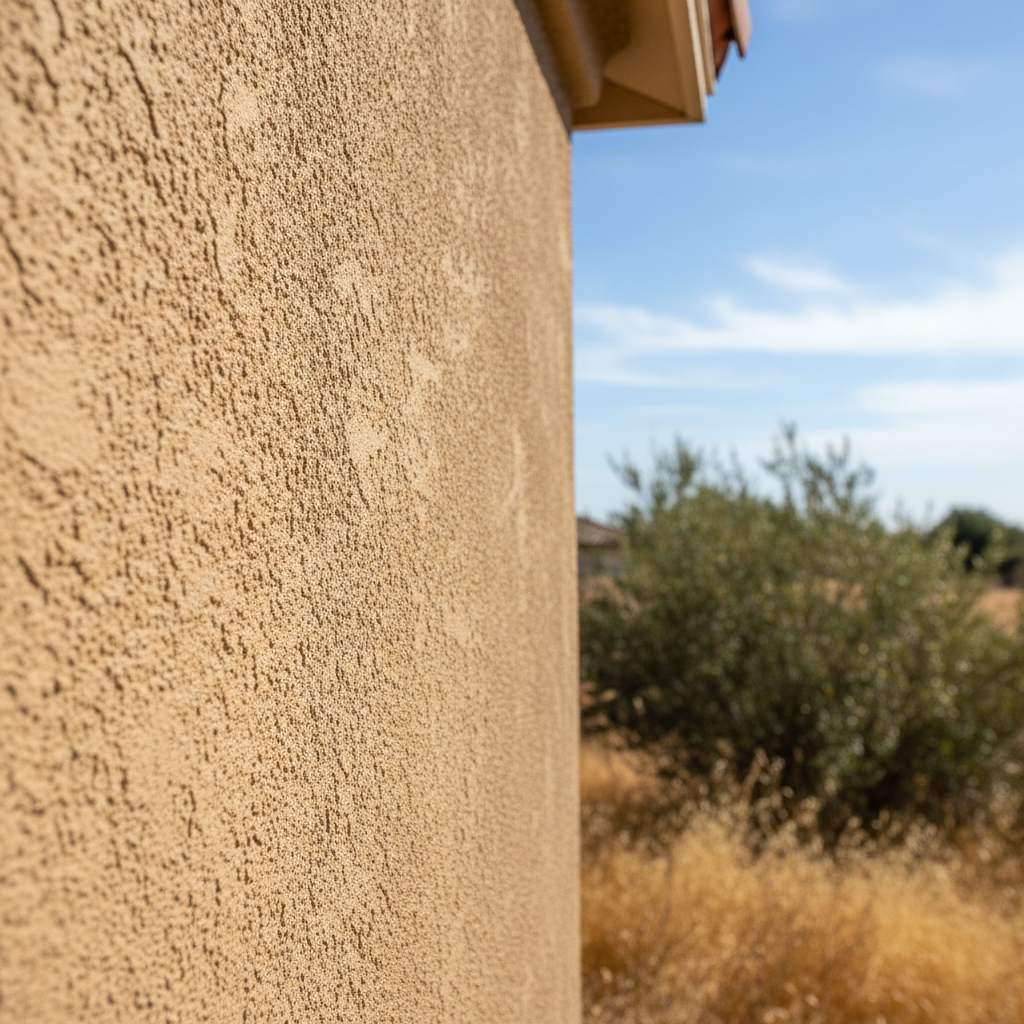
Is stucco really durable enough for Madera's hot summers and occasional freezes?
Absolutely. Stucco is honestly one of the toughest exterior finishes you could pick, especially for our climate right here in Madera. We all know those scorching 100-degree-plus days in July and August, then sometimes it dips below freezing in winter — particularly out towards the rural areas, say near Avenue 12. Stucco handles these temperature swings incredibly well because it's a cement-based product. It just doesn't warp, rot, or buckle like wood siding can. And it's certainly not going to melt or get brittle like some vinyls might under that direct sun. When it's mixed and applied correctly, it forms a hard, continuous shell that really protects your home. We're talking decades of performance here, not just a few years. It's a seriously tough material, and that's why you see it on so many homes around here, from older builds downtown to newer developments off Highway 145.
How long does a typical stucco installation take on a house?
That's a common question, and the honest answer is, it really depends. We're talking about things like the size of your house, how complex the architecture is, and, of course, the weather. For an average single-story, 1,500 to 2,000 square foot home, you're usually looking at about two to three weeks from start to finish. If it's a larger two-story house, or if there are a lot of architectural details like arches, pop-outs, or intricate trim work, it can easily stretch to four weeks or even more. The process involves multiple layers – the lath, scratch coat, brown coat, and then the finish coat – and each one needs proper drying time. You simply can't rush it, especially with our humidity fluctuations. We don't want to compromise the integrity of the layers just to shave a day or two off the schedule. We'll give you a much more precise timeline once we see your specific project, naturally.
What's the difference between traditional stucco and synthetic (EIFS) stucco? Which one should I get?
This is a big one, and it's really important to understand. Traditional stucco, which is what Skyline Stucco Madera primarily works with, is a hard, cement-based material. It's breathable, very impact-resistant, and people have used it for centuries. We apply it in multiple layers over a lath (that's a metal mesh) and a weather-resistive barrier. Synthetic stucco, or EIFS (Exterior Insulation and Finish Systems), is a completely different animal. It's essentially a layer of foam insulation board, covered with a mesh, then a base coat, and finally a synthetic finish coat. EIFS offers better insulation value, which can be great for energy bills. However, it's not breathable in the same way traditional stucco is. If water gets behind it due to improper installation or damage, it can cause serious moisture problems and rot because the water gets trapped. Traditional stucco, being breathable, can dry out more easily. For most homeowners in Madera, especially given our dry climate, traditional stucco is the more robust, time-tested, and generally safer long-term choice for durability and moisture management. We can certainly talk about EIFS if insulation is your absolute top priority, but we'll make sure you understand the potential risks.
Will stucco installation make a huge mess around my house?
Let's be real, any construction project is going to create some level of mess. Stucco involves mixing cement, cutting lath, and applying wet materials. There will be dust, drips, and debris. However, a good contractor, like us, takes extensive measures to minimize that mess. We'll lay down tarps and plastic sheeting to protect your landscaping, driveways, and windows. We'll cover plants and shrubs. We're also diligent about daily cleanup, sweeping up debris, and keeping our work area as tidy as possible. We treat your property like it's our own, honestly. You won't come home to a construction zone nightmare, but you should expect some signs of work being done. We'll talk through our cleanup process with you before we start so you know exactly what to expect.
Can I choose any color I want for my stucco?
Pretty much, yes! The beauty of modern stucco finishes is the incredible range of colors available. You're definitely not stuck with just beige or white anymore. Manufacturers offer a huge palette of standard colors, and if you have a specific shade in mind, many can custom match it. The color is mixed directly into the finish coat, so it goes all the way through the material, meaning it won't chip or peel off like paint. It's a permanent color. We'll provide you with color samples and charts so you can pick the perfect shade to complement your home's style and landscaping. Just remember that colors look different in direct sunlight versus shade, so it's always a good idea to look at samples outside your home at different times of day.
What kind of maintenance does stucco require after it's installed?
One of the best things about stucco is how low-maintenance it is. It's not like wood that needs regular painting or sealing. Generally, all you need to do is keep it clean. A good rinse with a garden hose once or twice a year will usually take care of any dust or dirt buildup. For tougher spots, a mild detergent and a soft brush can work wonders. If you notice any cracks, especially hairline cracks, it's a good idea to get them looked at. Small cracks are normal as a house settles, but larger ones or those that appear quickly might need patching to prevent water intrusion. We always recommend doing a visual inspection of your stucco periodically, especially after any heavy rains or strong winds. Catching small issues early can prevent bigger, more expensive problems down the road. It's a tough material, but like anything, a little attention goes a long way.
How does stucco affect my home's energy efficiency?
Stucco can definitely help with your home's energy efficiency, especially traditional stucco with a good weather barrier and proper installation. The dense, multi-layered nature of stucco provides a thermal mass that helps regulate indoor temperatures. It slows down the transfer of heat into your home during our hot Madera summers and helps keep heat in during the cooler months. While it's not an insulator in the same way foam board is, its mass and density contribute to a more stable interior temperature, reducing the workload on your HVAC system. This can translate to lower energy bills over time. If you're really looking to maximize insulation, you might consider adding rigid insulation board underneath the stucco system, which we can discuss as an option during our consultation. It's all about creating a continuous, well-sealed envelope for your home.
What's the typical lifespan of a stucco exterior?
When installed correctly by experienced professionals like us, a traditional stucco exterior can last 50 years or even more. We've seen homes in Madera with stucco that's been on there for decades and still looks great. The key is proper installation, using quality materials, and a little bit of basic maintenance over the years. It's not uncommon for the finish coat to get a bit faded or dirty after 15-20 years, but that doesn't mean the whole system needs replacing. Often, a good cleaning or a fresh coat of elastomeric paint can make it look brand new again. The underlying cementitious layers are incredibly durable. Think of it as a long-term investment in your home's protection and curb appeal.