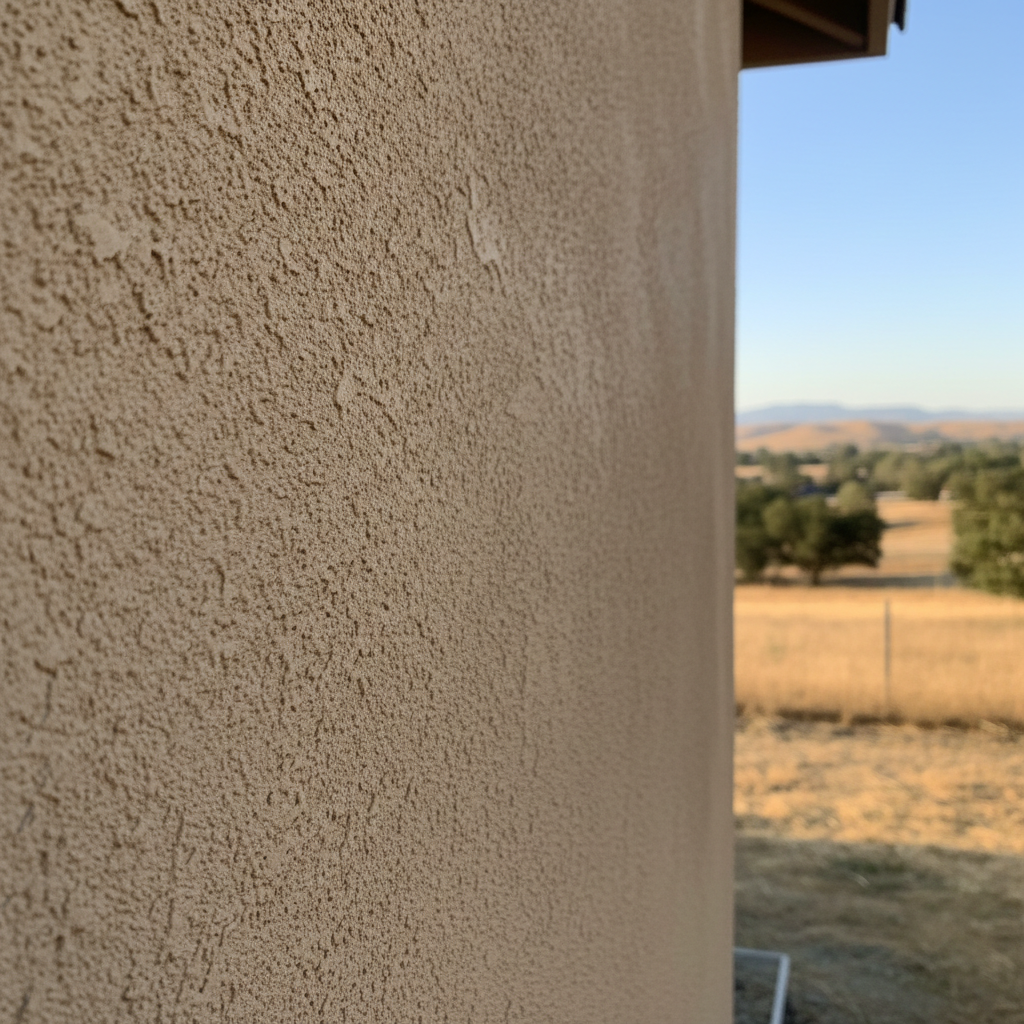
So, you're thinking about putting new stucco on your home here in Madera. Maybe you're building an addition, or perhaps you're just plain tired of that old siding and want something tougher, something with a classic look. It's a smart move, especially with our scorching, dry summers and those occasional heavy downpours. Stucco really holds up well when it's done right, but that's the whole trick: it *has* to be done right.
A lot of homeowners ask me what they can tackle themselves and what absolutely needs a professional. It's a fair question, honestly. You want to save a buck where you can, and I totally get that. But with stucco, there's a thin line between a satisfying DIY project and a really expensive headache. Let's dig into it.
Before You Even Think About Mixing Stucco
Before you get your hands dirty, there are some pretty important steps. This isn't the fun part, but it's totally essential. First off, you've got to understand your local building codes. Here in Madera County, there are specific rules for everything — from the kind of lath you use to how many coats you apply. You'll usually need to pull permits for new stucco installations, especially if it's a big area or a brand-new build. Don't skip this step. Trust me, getting caught without a permit can mean fines, stop-work orders, and a whole lot of frustration.
Next, take a good look at the surface you're working with. Is it wood siding? Concrete block? Brick? Each material needs different preparation. You'll need to make sure the surface is clean, solid, and ready to take the stucco system. This might involve power washing, fixing any damaged spots, or even stripping off old materials. This part, you can absolutely do yourself. Cleaning, small repairs, stripping old paint – that's all well within a capable homeowner's reach. Just be super thorough, okay? Any dirt, grease, or loose bits will mess with the bond, and you definitely don't want your beautiful new stucco flaking off in a few years.
The DIY vs. Pro Divide: What You Can (and Can't) Do
Alright, here's where we get down to brass tacks. When it comes to putting on stucco, there are distinct phases, and some are much more forgiving for a DIYer than others.
- Moisture Barrier & Lath Installation: This part is critical. You need a proper moisture barrier (usually two layers of building paper or something synthetic) and then the metal lath. The lath gives the stucco its main mechanical grip. Get this wrong, and water can sneak behind your stucco, leading to rot and mold. This isn't a place to cut corners. While someone very handy might manage small patches, for an entire wall or house, I'd really push for a professional. The exact overlap of the paper, how the lath is fastened, making sure it's flat and plumb – these small details make a huge difference.
- Scratch Coat & Brown Coat: These are the first two stucco layers. The scratch coat goes straight onto the lath, and we literally scratch it to give the next layer something to grab onto. The brown coat goes over that, and it's leveled to create a smooth, even surface for the finish coat. This is where the real skill comes in. Getting the mix just right (the water-to-cement ratio is super important), applying it evenly, and getting a flat surface takes practice. If you're doing a small, hidden area, you could try it. But for anything prominent, a pro will achieve a much better, more consistent result. An uneven brown coat will show right through your finish coat, no matter how good that last layer is.
- Finish Coat: This is what everyone sees, isn't it? It's the color, the texture, the curb appeal. There are tons of different finishes – smooth, sand, dash, lace, worm. Each one needs specific tools and techniques. While putting a simple sand finish on a small wall might be doable for a DIYer with patience and a good YouTube tutorial, getting a truly seamless, professional-looking finish across a large area is incredibly difficult. You'll see lap lines, inconsistent textures, and uneven color. This is almost always best left to someone who does it every single day.
Honestly, for a full home stucco installation, especially on a two-story house or a complex design, you're going to want a professional. The sheer amount of work, the specialized tools, and the experience needed to get a durable, beautiful finish are significant. We've seen plenty of DIY stucco jobs that end up costing more to fix than if the homeowner had just called us, Skyline Stucco Madera, from the start.
After the Stucco is On: Curing and Maintenance
Once the stucco is applied, the work isn't quite finished. Curing is a vital step. Stucco needs to dry slowly and evenly to get its maximum strength and prevent cracking. This often means misting the stucco with water for several days, especially in our hot Madera climate. This is definitely something you can handle yourself. Just follow the contractor's or manufacturer's instructions carefully.
Long-term maintenance is also pretty straightforward for a homeowner. Keep it clean with a gentle wash, check it periodically for cracks, and fix any issues quickly. Small hairline cracks are normal, but bigger ones need attention. That's usually when you'd call a pro for repair, but the regular upkeep is all you.
So, while you can certainly handle the initial cleanup and some of the post-application care, the bulk of the stucco installation – especially the lath and the actual coats – is a job best suited for experienced hands. It's an investment in your home's longevity and appearance, and getting it right the first time saves you money and headaches down the road. What's not to like about that?