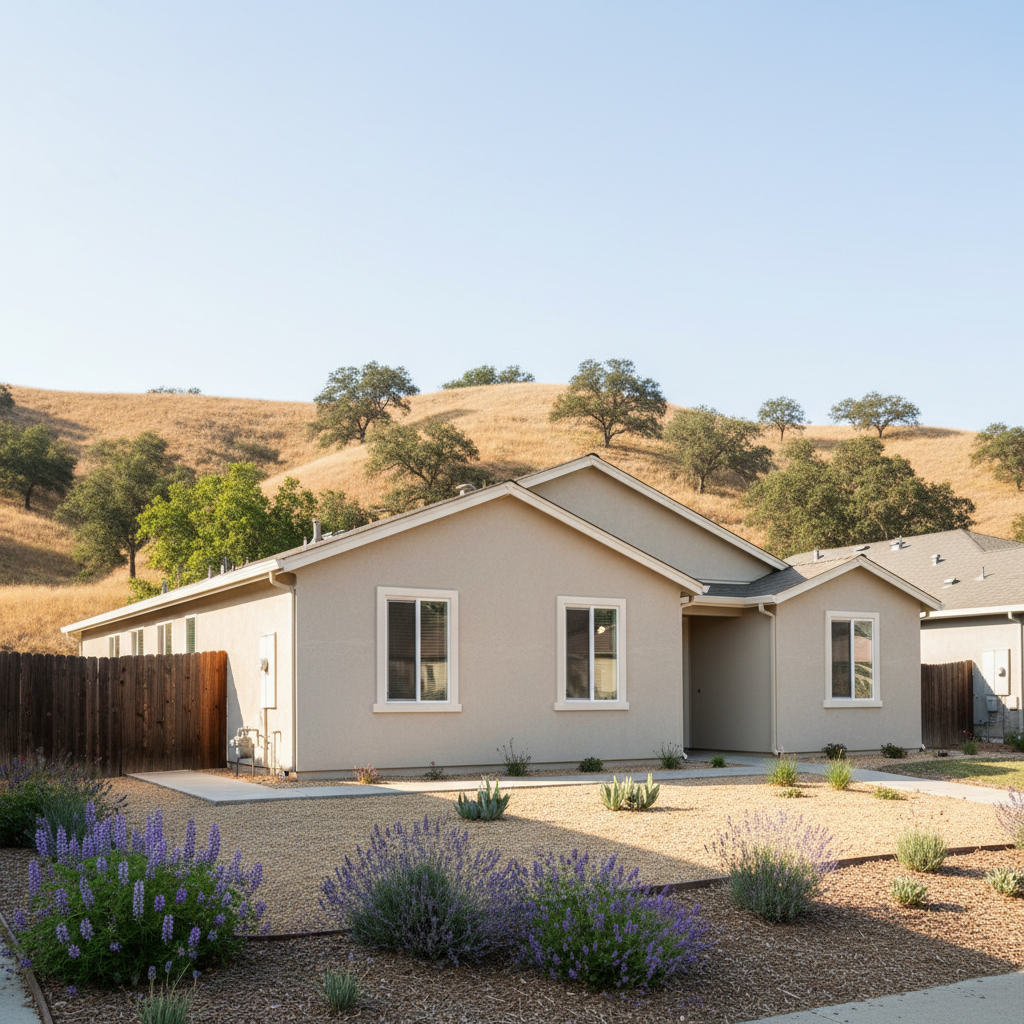
Considering EIFS for your Madera home? That's a smart move, really. Exterior Insulation and Finish Systems, or EIFS, are fantastic for both energy efficiency and making your place look sharp. But let's be honest, our Madera weather isn't always the easiest to deal with. You can't just slap EIFS on any old day and expect it to hold up. Timing is everything, and knowing our local climate is absolutely key to protecting your investment.
When to Schedule Your EIFS Project
So, when's the best time to get EIFS installed? Honestly, spring and fall are your sweet spots around here. Why? Because the temperatures are usually just right. EIFS materials – things like the base coats, finishes, and adhesives – need specific temperatures to cure properly. If it's too hot or too cold, you're pretty much asking for trouble down the line.
Here in Madera, our summers are brutal. We're talking 100+ degrees for weeks on end, right? Trying to install EIFS in July or August is a nightmare. The materials can dry way too fast, and that leads to cracking, poor adhesion, and a finish that just won't last. Imagine trying to get a smooth, consistent finish when the sun's baking everything at 110 degrees. It's just not ideal, and frankly, it's not how we do things at Skyline Stucco Madera if we want to guarantee quality.
Winter, on the other hand, brings its own set of challenges. While we don't get heavy snow, we definitely see cold snaps and plenty of morning fog, especially if you're closer to the San Joaquin River. Freezing temperatures can stop the materials from curing right, making them brittle or causing them to delaminate. You might end up with issues like efflorescence or a finish that just doesn't bond properly. So, even though a cool winter day might seem perfect, you really need to watch out for those overnight lows and all that morning moisture.
That leaves us with spring and fall. These seasons offer those Goldilocks conditions – not too hot, not too cold. Usually, you're looking at daytime temperatures between 45 and 85 degrees Fahrenheit, which is absolutely perfect for EIFS installation. The materials get enough time to set and cure correctly, making sure you get maximum durability and a beautiful finish that truly lasts.
Weather Conditions That Affect the Work
Beyond just temperature, we're always keeping an eye on other weather factors when we're working on an EIFS project.
- Humidity: Believe it or not, humidity plays a role. Too much moisture can slow down drying times a lot, and too little can speed it up too much. We're always checking the forecast to make sure conditions are within what the manufacturer recommends.
- Wind: High winds can be a real pain. They can make materials dry out too quickly, leading to uneven curing. Plus, who wants dust and debris blowing into a freshly applied finish? We take precautions, but extreme wind can definitely halt a job.
- Rain: This one's a no-brainer, right? You simply cannot apply EIFS in the rain. Period. The materials need to cure in dry conditions. If rain is in the forecast, we'll either postpone or make sure the work area is completely protected. Getting caught in a sudden downpour can ruin a whole section of work and mean starting over.
- Direct Sunlight: Even on a moderately warm day, intense direct sunlight can cause problems. It can heat up the surface and the EIFS materials, leading to flash drying. We often use shading or schedule work to avoid the hottest parts of the day when the sun is directly hitting the wall.
We're not just guessing here, by the way. We follow strict manufacturer guidelines for every single product we use. Those guidelines spell out temperature ranges, humidity levels, and even wind speeds. Ignoring them is a recipe for failure, and that's just not how we operate at Skyline Stucco Madera.
Protecting Your EIFS Investment Year-Round
Once your EIFS is installed, you want it to look good and work well for decades. Here's how to protect it, no matter what Madera throws at it:
- Regular Cleaning: Just like any exterior, EIFS can get dirty. Dust, pollen, and even mildew can build up. A gentle wash with a garden hose and a soft brush or sponge, using a mild detergent, is usually all it takes. Avoid high-pressure washers, though, as they can damage the finish.
- Inspect for Damage: Walk around your house a couple of times a year. Look for any cracks, dings, or spots where the finish might be compromised. Small issues are way easier and cheaper to fix than big ones. Pay special attention to areas around windows, doors, and where different materials meet up.
- Manage Water: Proper drainage is super important. Make sure your gutters are clean and directing water away from your foundation. Check that your sprinklers aren't constantly spraying your EIFS walls. Too much moisture can lead to issues over time, even with a well-installed system.
- Trim Landscaping: Keep bushes, trees, and vines trimmed back from your EIFS. Plants can trap moisture against the wall, and branches rubbing against the finish can cause abrasion. Plus, it gives pests a highway right to your home.
- Address Cracks Promptly: If you do see a crack, don't just ignore it. Even hairline cracks can let moisture get in. Get them repaired by a professional who really understands EIFS. It's not like patching a drywall hole; it needs specific materials and techniques.
Your home is a big investment, and its exterior is the first line of defense against our Madera weather. By understanding the best times for installation and taking a few simple steps for maintenance, you'll make sure your EIFS keeps performing and looking great for years to come. If you've got questions or need a hand, you know who to call.