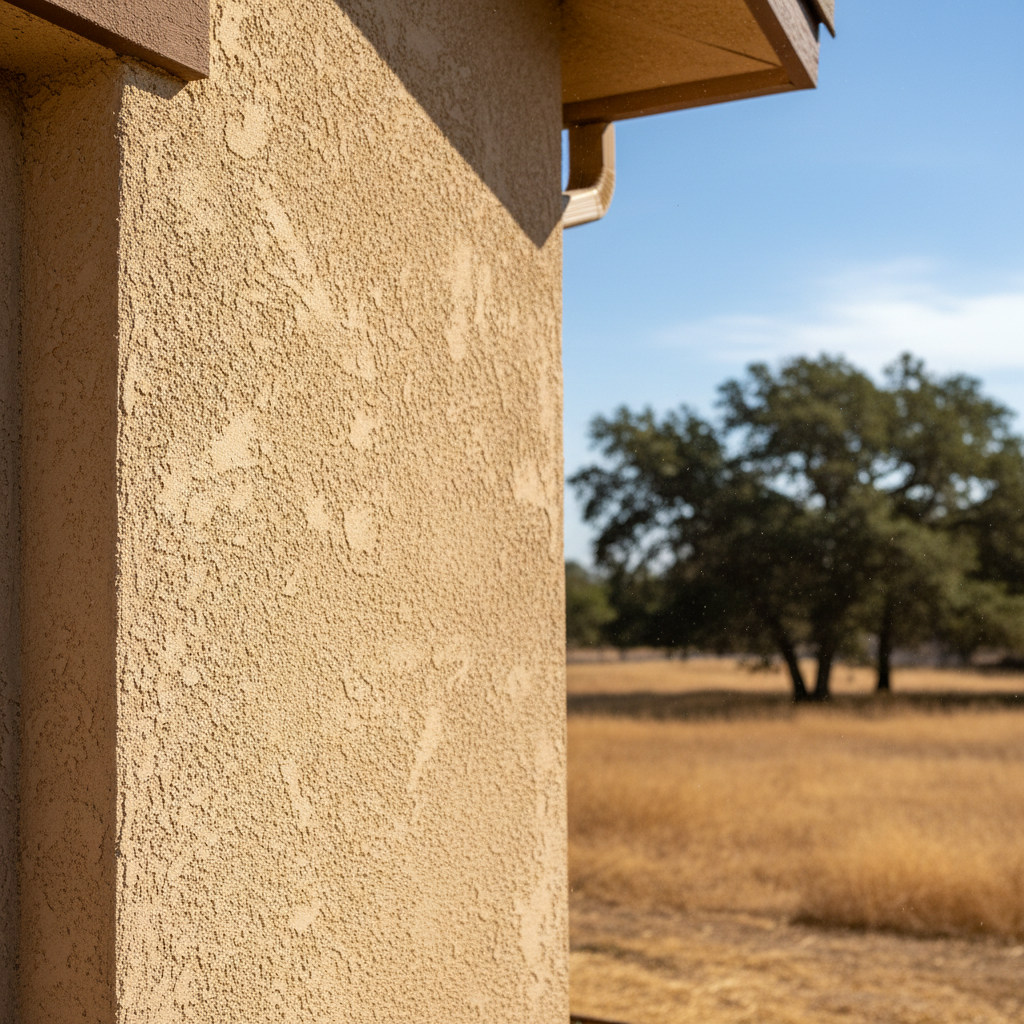
Ever walked around your house and looked closely at the walls? If you live here in Madera, our intense Central Valley heat and occasional wet winters put your exterior through harsh conditions. Regular checks can catch small issues before they turn into major problems. Here is how to approach a proper stucco inspection, from what to do beforehand to when you should put down the clipboard and call a contractor like Skyline Stucco Madera.
Before You Start Inspecting
You do not need a truckload of fancy gear to check your walls, but grabbing a few basic items makes a big difference. Grab a notepad, a flashlight, and a camera or your phone to snap photos of anything unusual. Clear away any tall bushes, irrigation lines, or patio furniture that is pressed up against your exterior walls. You need a clear line of sight to the base of the wall, especially since our local clay-rich soils can shift around foundations and stress the lower portions of your siding. Pick a bright, sunny day when shadows are not hiding hairline fractures.
Doing the Walkthrough: What You Can Handle
Start walking the perimeter of your house slowly. Look for spiderweb cracks, discoloration, or bulging areas. Here is a breakdown of what is safe for a homeowner to evaluate:
- Hairline cracks under the width of a credit card are usually just cosmetic shrinkage.
- White, powdery buildup called efflorescence means moisture is moving through the wall.
- Stains running down from windowsills or rooflines point to failing sealant or missing flashing.
- If you tap on the wall and it sounds hollow, that is a sign the stucco has delaminated from the lath behind it.
Write down locations and snap close-up pictures next to a coin or ruler so you have a record of how big the cracks are. You can easily fill tiny hairline fractures with the right elastomeric product on a weekend, but anything deeper needs a closer look.
When to Call a Professional
There is a fine line between DIY maintenance and ignoring a structural failure. If you spot wide structural cracks wider than a nickel, deep crumbling, or dark staining that stays damp long after a rainstorm, stop right there. That points to moisture trapped behind the barrier, which can rot your framing or invite pests. If you notice a spongy feel near doors or windows, or if multiple cracks radiate out from room corners, call a pro. Skyline Stucco Madera handles these deeper exterior diagnostics all the time across local neighborhoods. Skyline Stucco Madera has the moisture meters and thermal imaging gear to see what is happening beneath the finish coat, saving you from costly surprises down the road.