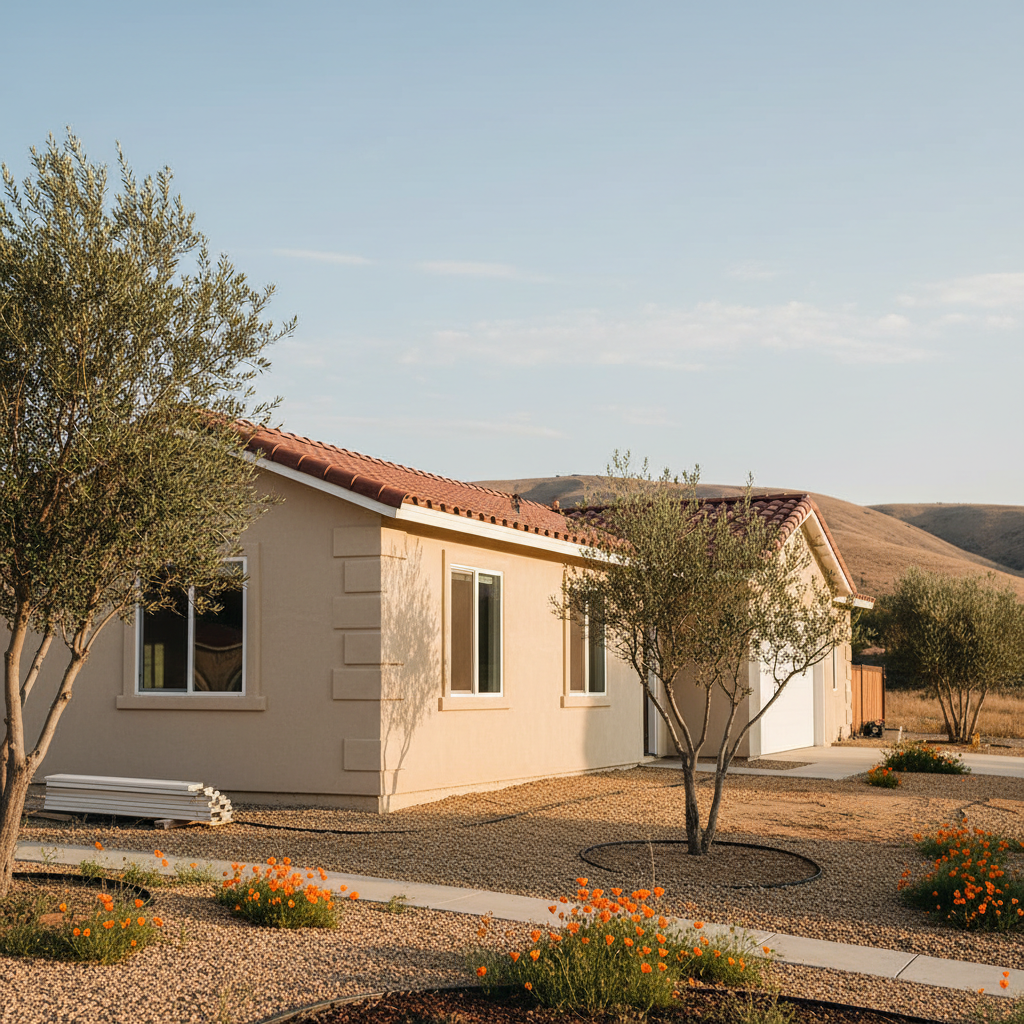
Alright, let's cut right to it: what's EIFS going to cost you here in Madera? It's not as simple as a flat rate, no, but I can definitely tell you what influences that price tag and what you should expect to pay. As someone who's been in this business for years, running Skyline Stucco Madera, I've seen a lot of projects come and go, and I know what really makes a difference in your final bill.
What Really Drives EIFS Pricing in Madera?
When you're looking at an Exterior Insulation and Finish System (EIFS), you're investing in a multi-layered, high-performance cladding. It’s not just a finish, you see; it's a whole system designed for both insulation and protection. Because of that, several factors play a big role in the cost.
- Project Size and Complexity: This is probably the biggest one. A small, simple rectangular wall on a single-story home is a lot quicker and easier to do than, say, a multi-story building with lots of windows, bump-outs, and architectural details. More corners, more windows, more doors, more intricate designs—they all add labor and material waste, pushing up the per-square-foot cost. Think about those custom homes up around the Madera Ranchos with all their unique angles; those are definitely on the higher end of the complexity scale.
- Material Choices: EIFS isn't a one-size-fits-all product. There are different types of insulation boards (like EPS, which is common), various base coats, and a huge range of finish textures and colors. Some finishes cost more than others. For instance, a fine sand finish might be less expensive than a specialty stone aggregate finish. Also, the thickness of the insulation board can vary. Thicker insulation means higher material costs, though it does offer better energy efficiency.
- Labor Rates: This is a big chunk of your cost, often 50-70% of the total. Skilled EIFS installers are specialists; it's a complex multi-layer application that requires certified professionals to do it right. Labor alone can run you anywhere from $5 to $9 per square foot.
- Site Conditions and Accessibility: Is it easy for us to set up scaffolding and get materials to the walls? Or are we dealing with tight spaces, uneven ground, or very high walls that require specialized lifts? The harder it is to get to the work area, the more time and equipment it takes, and that adds to the cost.
- Substrate Preparation: If we're putting EIFS over an older home, we might need to remove existing siding, or the sheathing might need repairs. Prep work can add 10-15% to your overall cost, but it's crucial for the EIFS to perform correctly and for warranty compliance.
- Drainage System: Modern EIFS installations almost always include a drainage plane to prevent moisture intrusion, which was a big problem with older systems. This adds a layer of material and labor, but it's non-negotiable for a durable, water-resistant system—especially with our occasional heavy winter rains here in the Valley.
Typical Cost Ranges for EIFS Installation
I know you want some hard numbers, not just